
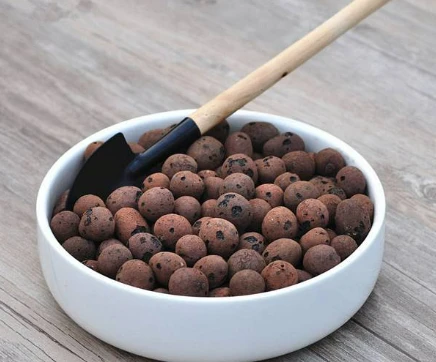
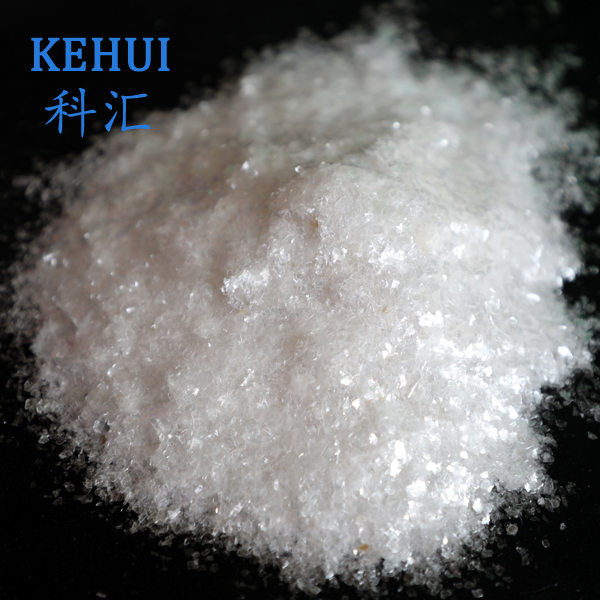

natural volcanic perlite
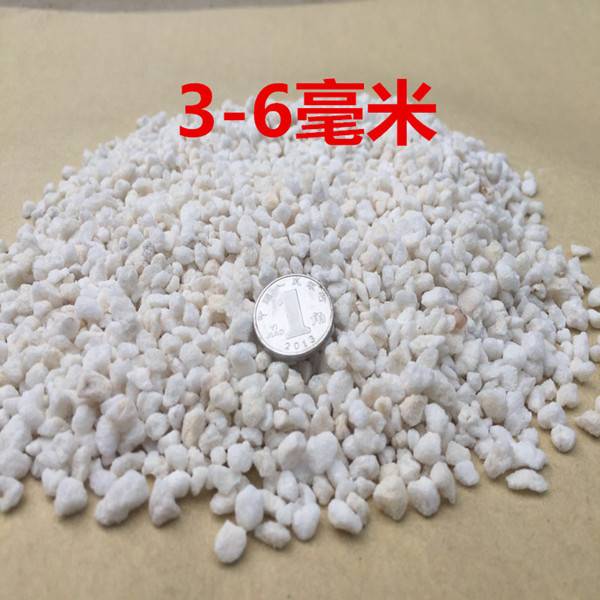
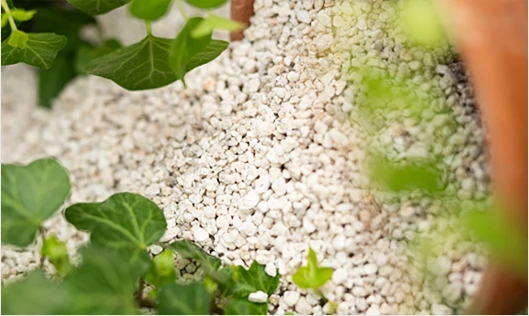
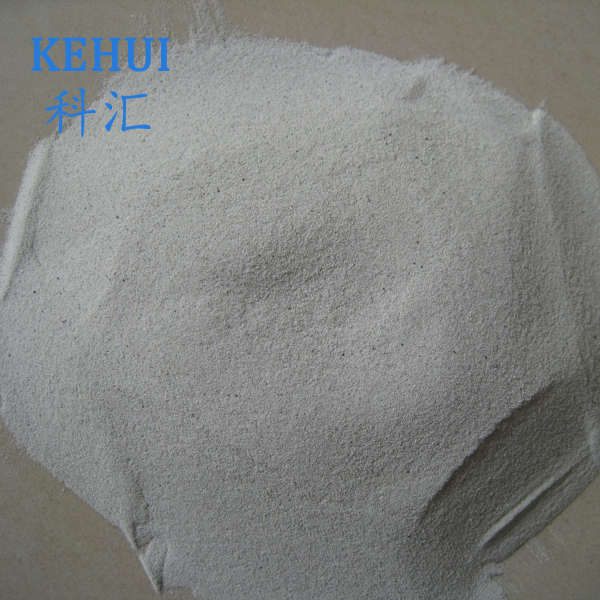
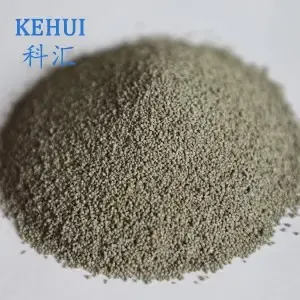
Perlite is a fascinating natural material that has gained significant popularity in the gardening and horticulture world. Its unique properties make it an invaluable asset for plant enthusiasts. In this article, we will explore the various aspects of perlite , perlite for plants , and perlite soil , delving deep into their characteristics, benefits, and applications. What is Perlite? Perlite is a volcanic glass that forms when obsidian, a type of volcanic rock, comes into contact with water and is then rapidly heated. The heating process causes the trapped water within the obsidian to vaporize, resulting in the rock expanding and forming a lightweight, porous material. This expansion gives perlite its distinctive white, granular appearance. Perlite has a number of unique physical properties that set it apart from other materials. It is extremely lightweight, which makes it easy to handle and transport. Its porous nature allows for excellent water retention and aeration, making it an ideal medium for a variety of applications. The small air pockets within perlite granules ensure that roots have access to oxygen while also retaining enough moisture to keep plants hydrated. Benefits of Perlite for Plants Perlite for plants offers a plethora of benefits that contribute to the overall health and growth of vegetation. provides more constant moisture status around the roots at all times irrespective of weather or stage of root growth. Perlite ensures more even watering throughout the grwoing area. There is less probability of over-watering with horticutlural perlite. Avoids wasting of water and nutrients. Creating Perlite Soil: A Guide Perlite soil is a popular growing medium that combines the benefits of perlite with other soil components. To create an effective perlite soil mixture, you first need to choose the right base soil. A good quality potting soil or a mixture of peat moss, vermiculite, and sand can serve as an excellent foundation. The ratio of perlite to the base soil depends on the type of plants you are growing. For most general - purpose applications, a ratio of 1 part perlite to 2 - 3 parts base soil works well. However, for plants that require extremely well - drained soil, such as orchids, you may increase the proportion of perlite to up to 50% of the total mixture. Start by measuring out the required amounts of perlite and the base soil. Place the base soil in a large container. Slowly add the perlite to the container while mixing thoroughly. You can use a garden trowel or your hands to ensure an even distribution. Once the mixture is well - combined, it is ready to be used for planting. Using Perlite in Different Planting Scenarios Perlite can be used in a variety of planting scenarios, each with its own unique requirements. In container gardening, perlite for plants is often added to potting mixes to improve aeration and drainage. This is especially important for potted plants, as they are more susceptible to water logging due to the limited space for root growth. By adding perlite to the potting mix, you can create a growing environment that mimics the natural soil conditions of the plant's native habitat. In raised bed gardening, perlite soil can be used to improve the overall quality of the soil. Raised beds are a great way to grow plants in areas with poor soil quality or limited space. By adding perlite to the soil in raised beds, you can improve its structure, increase water - holding capacity, and enhance aeration. This will result in healthier plants with stronger root systems. For hydroponic gardening, perlite is an excellent growing medium. Hydroponics is a method of growing plants without soil, using a nutrient - rich water solution instead. Perlite 's lightweight and porous nature make it an ideal medium for hydroponic systems, as it provides support for the plant roots while also allowing for the easy flow of water and nutrients. FAQS about perlite What are the best plants for perlite soil? Perlite soil is suitable for a wide range of plants. Succulents and cacti thrive in perlite soil due to its excellent drainage properties. Orchids also benefit from the improved aeration and water - holding capacity of perlite soil . Additionally, many herbs, such as rosemary and thyme, grow well in perlite soil as it provides the well - drained conditions they prefer. How often should I water plants in perlite soil? The frequency of watering plants in perlite soil depends on several factors, including the type of plant, the size of the container, and the environmental conditions. Since perlite soil drains well, plants may require more frequent watering compared to those in heavy, clay - based soils. However, the water - holding capacity of perlite also means that plants can go longer between waterings without drying out completely. As a general rule, check the soil moisture regularly by inserting your finger about an inch or two into the soil. If it feels dry at this depth, it's time to water the plant. Can perlite be reused for plants? Yes, perlite can be reused for plants. However, it is important to clean and sterilize the perlite before reusing it to prevent the spread of diseases and pests. To clean perlite , rinse it thoroughly with water to remove any soil or debris. You can then sterilize it by baking it in an oven at a low temperature (around 200 - 250°F or 93 - 121°C) for about 30 minutes. This will kill any harmful organisms present in the perlite . Is perlite harmful to plants? Perlite is not harmful to plants. In fact, it offers many benefits that contribute to plant health. It is a natural, inert material that does not release any harmful chemicals or substances into the soil. Its neutral pH also means that it does not affect the acidity or alkalinity of the soil in a negative way. However, it is important to use perlite in the correct proportions in the soil mixture to ensure optimal growing conditions for plants. How does perlite compare to vermiculite for plants? Both perlite and vermiculite are popular soil amendments for plants, but they have some differences. Perlite is more lightweight and has better drainage properties, making it ideal for plants that prefer well - drained soils. Vermiculite, on the other hand, has a higher water - holding capacity and is better at retaining nutrients. It is often used for plants that require more moisture, such as seedlings and cuttings. In many cases, a combination of perlite and vermiculite can be used to create a balanced soil mixture that provides both good drainage and water - holding capacity. If you're looking to enhance the growth and health of your plants, perlite , perlite for plants , and perlite soil are excellent choices. At [Lingshou County Kehui Mica Co., Ltd.], we offer high - quality perlite products that are carefully processed to meet the needs of every gardener. Whether you're a seasoned horticulturist or just starting out, our perlite can help you create the perfect growing environment for your plants. Visit our website today to learn more about our products and how they can transform your gardening experience.
-
0 YearEstablished in 1997
-
0Celia Mica Produced
-
0 ㎡Factory Floor Area
APPLICATION
-

-
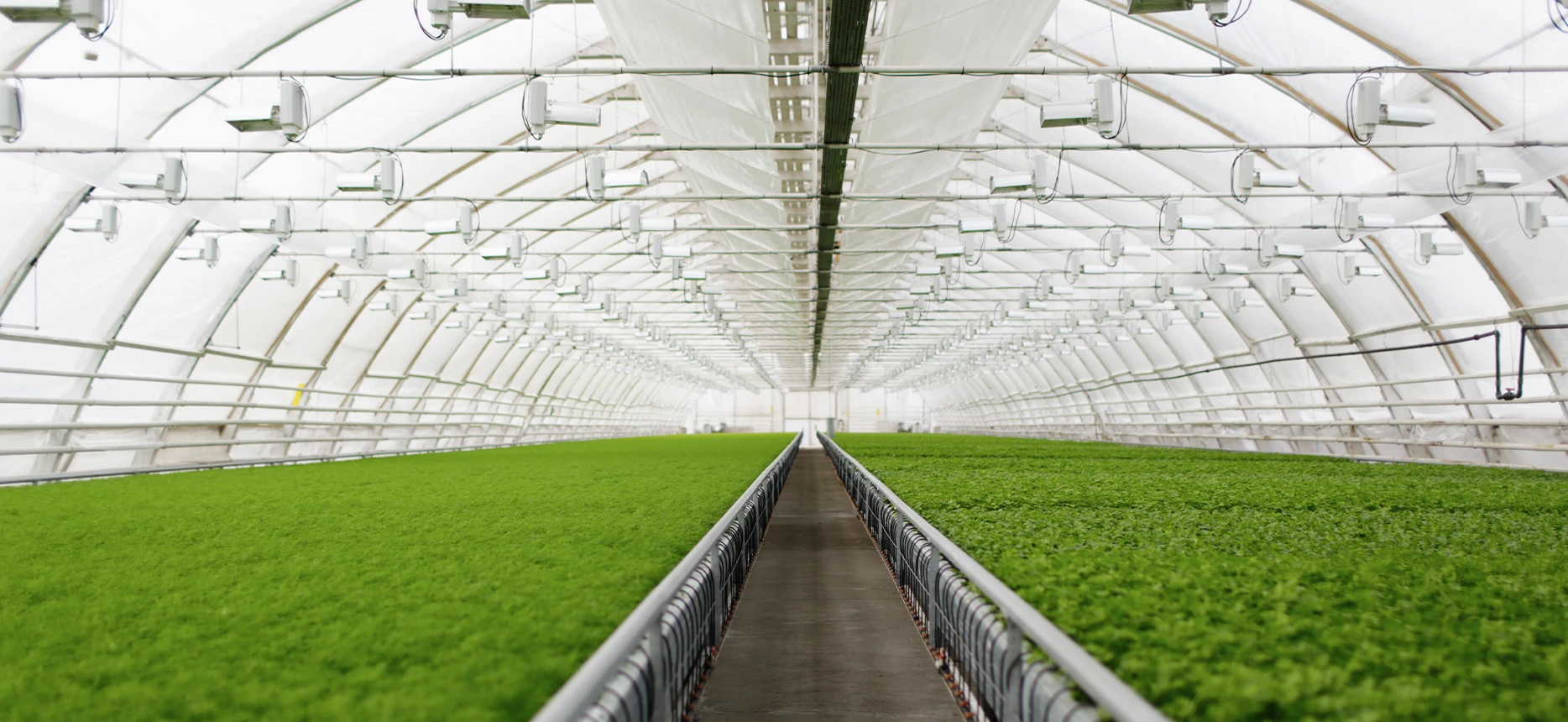
ApplicationHydroponics GardeningGrowing Mediums Gardening &Horticulture Hydroponics&Aquaponics Agricultur al&Greenhouse
-

-
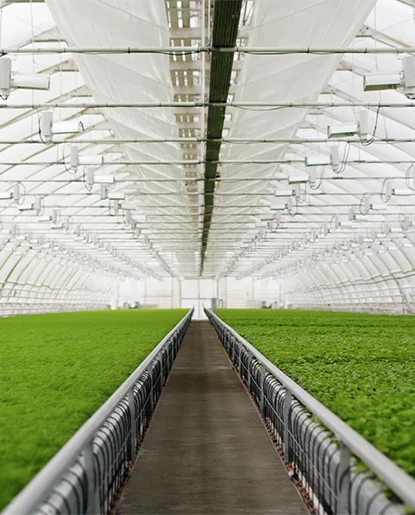
ApplicationHydroponics GardeningGrowing Mediums Gardening &Horticulture Hydroponics&Aquaponics Agricultur al&Greenhouse
 Industrial
Minerals
Industrial
Minerals
 Hydroponics
Gardening
Hydroponics
Gardening